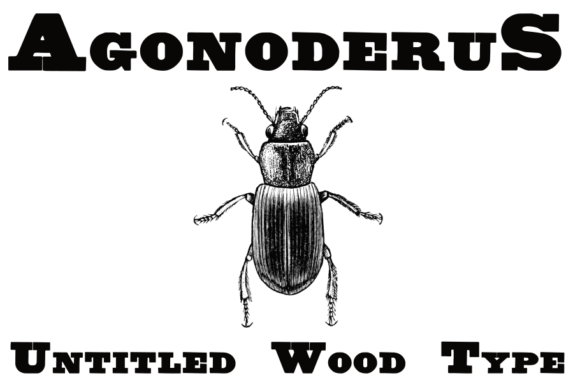
Untitled Wood Type: A Timeless Serif for Historic Design
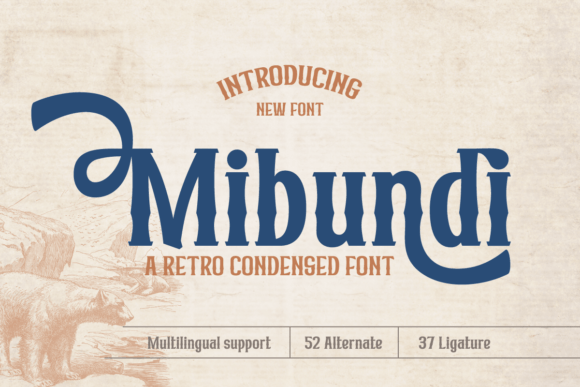
In a digital landscape saturated with sleek, minimalist fonts, there is a profound power in typography that carries the weight of history. Untitled Wood Type is an antique and ancient serif font that captures the essence of bygone eras, offering a classic design that evokes a sense of tradition and authenticity. For graphic designers and creative directors, finding a typeface that balances ornate detailing with functional legibility is crucial. This font features intricate flourishes and robust serifs that create an immediate sense of elegance and sophistication, making it an invaluable creative asset for projects requiring a distinct historical voice.
The Role of Heritage Typography in Modern Branding
While design trends often swing toward modern aesthetics and geometric sans-serifs, there is a growing demand for visual communication that feels "human" and tactile. Untitled Wood Type addresses this by providing a texture that digital-native fonts often lack. When incorporated into a brand identity, it signals stability, craftsmanship, and timelessness. It is not merely a font; it is a design tool that anchors a visual hierarchy, allowing designers to create a compelling contrast between the old and the new.
In the realm of visual design, typography acts as the voice of the brand. Using a typeface like Untitled Wood Type can transform a standard layout into a narrative experience. It suggests that a brand values heritage, quality, and attention to detail—traits that resonate deeply with consumers looking for authenticity in both digital and physical products.
Practical Applications for Creative Projects
The versatility of Untitled Wood Type extends beyond simple text display. Its ornate character makes it a standout choice for various creative projects where visual impact is the primary goal. Because the letters are detailed, they command attention, making them ideal for display purposes rather than long-form body text.
Effective Use Cases
- Logo Design: Create a distinct wordmark that separates a brand from the competition. The serifs and flourishes provide built-in decorative elements that reduce the need for additional graphic embellishments.
- Editorial and Print Design: Use it for headlines in period-themed publications, museum exhibits, or book covers. It instantly sets the tone for historical or cultural content.
- Packaging Design: For artisanal goods, craft beverages, or heritage products, this font adds a layer of perceived value and quality to the packaging.
- Social Media Graphics: In a feed dominated by modern sans-serifs, a bold, antique serif creates a "thumb-stopping" effect, increasing user engagement and click-through rates.
- Merchandise and Apparel: The wood type aesthetic translates beautifully to screen printing and embroidery, offering a vintage look that is currently trending in fashion and lifestyle branding.
Integrating Antique Fonts into Contemporary Workflows
Successfully integrating a font like Untitled Wood Type into a modern design workflow requires an understanding of visual hierarchy and contrast. Because this typeface has a strong personality, it pairs best with clean, neutral sans-serif fonts for body copy. This combination ensures that the design remains readable while allowing the display font to shine.
When evaluating this asset for your project, consider the following workflow tips:
- Check Scalability: Ensure the font renders well at various sizes. While ornate fonts look great large, check that the details don't become muddy at smaller sizes.
- Mind the Color Palette: Heritage fonts often work best with muted, earthy tones or high-contrast monochromatic schemes. Avoid overly neon or synthetic colors that clash with the antique aesthetic.
- Letter Spacing: Fonts with flourishes often benefit from increased tracking (letter spacing) to prevent the details from touching and to improve legibility.
Ultimately, the goal of any design asset is to solve a communication problem. By choosing Untitled Wood Type